A research-informed briefing on joint support, healthy aging, and performance recovery—
written for owners, trainers, and farm managers who want signal over hype.
August 2026·Animal health focus·Not veterinary advice
Editor’s note
Interest in short-chain peptides has spilled from human wellness into veterinary and animal-performance circles.
Sites such as MyPeptide.net illustrate the broader market: U.S. cGMP positioning,
high reported purity, batch COAs, and a research-forward framing—not a substitute for a licensed veterinarian
or for approved animal drugs.1
This issue maps three practical questions animal caretakers ask most:
Can peptides help joints?Do they matter for longevity?What about performance and recovery on the track or the farm?
Important: Many compounds discussed online (including BPC-157 and TB-500 / thymosin β4 analogs)
are often sold as research chemicals, lack broad FDA approval for pet or equine use, and may be restricted
in competitive sport. Texas A&M clinicians have publicly warned about unregulated pet use and the need for
evidence-based veterinary oversight.2
Always consult a licensed veterinarian (and, for competition animals, your governing body’s rules).
Joints Under Load: What Peptide Research Suggests for Pets & Horses
From agility dogs to broodmares and working ranch stock, joint and soft-tissue wear is a top welfare and
economics issue. Peptide conversations usually start here.
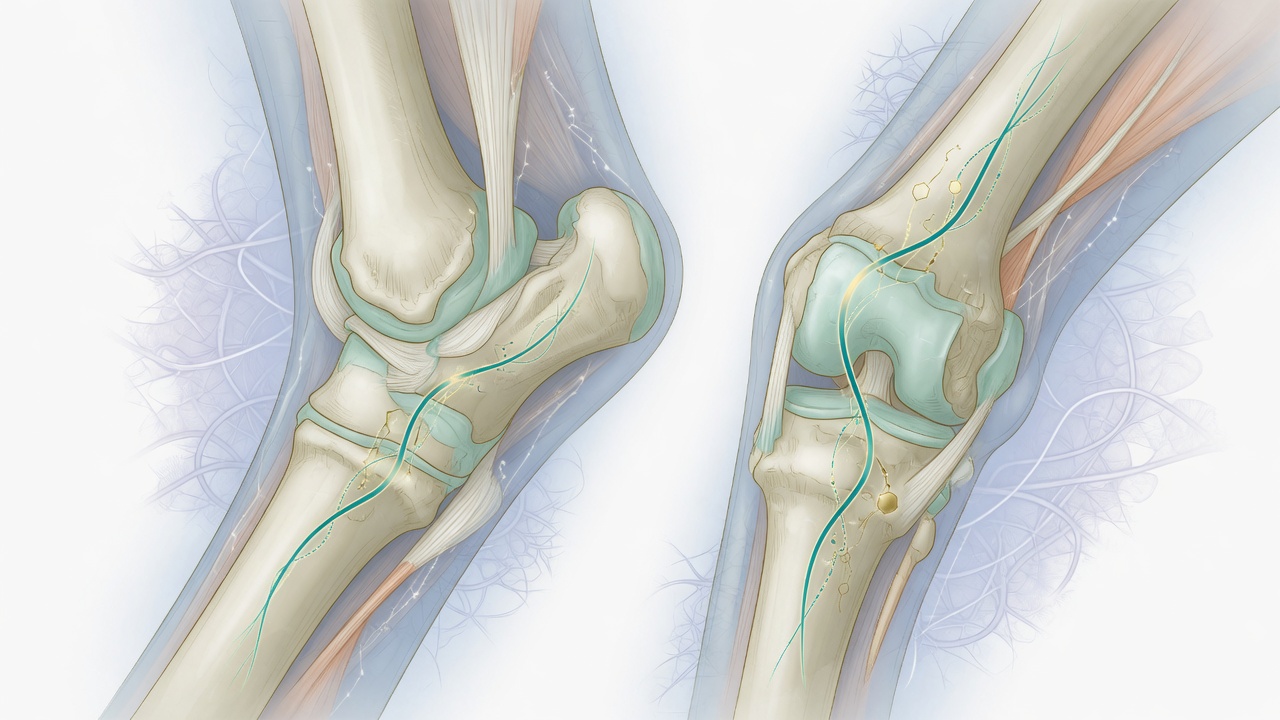
Illustration: connective tissue & joint support themes (educational graphic, not a clinical image).
Dogs & catsEquineSoft tissueOA models
Why joints fail first in active animals
High-repetition loading stresses cartilage, synovium, tendons, and ligaments. Owners already use weight
control, joint diets, omega-3s, physical therapy, PRP, and surgery. Peptide interest sits on top of that
stack: the hope is faster soft-tissue signaling—angiogenesis, cell migration, and inflammation modulation—
rather than a simple “pain pill.”
What shows up most in animal discussions
BPC-157 — a gastric-derived pentadecapeptide studied in laboratory animals for healing
of tendon, muscle, and other tissues; integrative veterinary case reports describe use around stifle and
soft-tissue recovery in dogs.34
TB-500 / thymosin β4 fragments — discussed for cell migration and soft-tissue remodeling;
frequently paired with BPC-157 in performance-animal conversations (sometimes nicknamed a “Wolverine”
stack online).56
Collagen / bioactive collagen peptides — more traditional oral supplements; equine
osteoarthritis-related products (e.g., PETAGILE-class collagen peptides) appear in equine literature and
industry reviews as a more conventional option than research injectables.6
Evidence level (honest framing)
For orthopaedic peptides such as BPC-157 and TB-500, the bulk of mechanistic data remains preclinical
(rodent and lab models), with growing orthopaedic review interest and limited veterinary clinical
publication—often case series rather than large randomized trials.37
That gap matters: promising tissue biology ≠ proven, labeled therapy for your animal.
Practical takeaways for joint programs
Prioritize diagnosis (OA vs. soft-tissue tear vs. infection) before any experimental peptide protocol.
Ask your vet about approved options first (NSAIDs where appropriate, joint injectables, rehab).
If a practitioner discusses research peptides, demand sourcing transparency (COA, sterility, identity)
consistent with quality standards marketed by serious research suppliers.1
For competition animals, confirm whether the substance is banned—several recovery peptides are prohibited
in human sport and flagged in racing contexts.36
Bottom line: Joint health is the strongest “pull” use-case in animal peptide talk, but the
evidence bar for routine clinical use is still rising. Partner with a veterinarian who tracks both integrative
and conventional orthopaedics.
“Longevity” in animals usually means longer healthspan: mobility, metabolism, immunity, and comfort—
not chasing immortal pets. Peptide marketing often blurs that line.
Illustration: healthy aging and multi-species care (conceptual art).
What longevity actually looks like on the ground
Companion animals: arthritis comfort, lean muscle, cognitive engagement, dental and gut health.
Breeding / farm animals: productive lifespan, recovery after illness, wound resolution in
older stock, metabolic tone in geriatrics.8
Integrative clinicians sometimes frame healing peptides (e.g., BPC-157) as tools that support tissue
maintenance—gut barrier, soft tissue, and inflammation balance—as animals age.49
Separately, reproductive and regenerative peptide strategies in equine medicine are being reviewed for
systemic metabolic recovery and tissue regeneration in clinical case reports.8
That is different from proven “anti-aging drugs.” Most claims online over-extrapolate from rodent healing
models or human wellness trends. Veterinary commentary continues to stress limited species-specific dosing
data and safety unknowns for unregulated products.2
A longevity stack that is not hype
Body condition & protein appropriate to species and life stage.
Dental, parasite, and metabolic screening on a schedule set by your vet.
Pain and mobility plans (physical therapy, controlled exercise, joint care).
Only then—if considered—experimental peptides under direct veterinary supervision,
with clear stop rules and monitoring.
Bottom line: Longevity peptides are a research-adjacent idea layered on top of boring,
high-ROI care. Healthspan first; molecules second.
Article 03 · Performance
Performance & Recovery: Racehorses, Working Dogs & Farm Athleticism
Performance is not only the finish line—it’s repeatable work capacity: training days completed, soft-tissue
resilience, and return-to-work after strain.
Illustration: performance animals under training load (conceptual art).
Why trainers care about recovery biology
Microtrauma is the tax of training. Faster resolution of tendon/ligament irritation and muscle strain can
mean fewer missed sessions—if recovery tools are safe, legal, and actually effective. That is why TB-500 and
BPC-157 appear so often in equine sports-medicine discussions.610
What the literature and field talk emphasize
Soft-tissue recovery narratives around TB-500 (cell migration, angiogenesis themes) and
BPC-157 (local healing / inflammatory modulation themes) in veterinary application guides.6
Ongoing clinical interest in peptide-based equine therapies for tendonitis, joint
inflammation, and wound healing—including controlled trial framing by industry/clinical groups (still
emerging, not settled standard of care).11
Regulatory reality: recovery peptides may be prohibited in racing and other sports;
trainers must treat “gray market” use as a career and welfare risk.6
Farm performance is different from race performance
Dairy, beef, swine, and working stock need durability and disease resilience more than peak speed. Peptide
applications discussed in production animals often sit closer to wound healing, reproductive support, and
metabolic recovery than to “doping for speed.”8
Economics still demand proven ROI: feed efficiency, fertility, and reduced loss days usually beat experimental injectables.
A performance decision checklist
Is the animal a competition animal? If yes, check rulebooks before any peptide.
Is the goal healing or enhancement? Be honest—ethics and legality diverge.
Do you have a vet of record willing to document indication, dose rationale, and monitoring?
Is product identity verified (COA / lot testing), or is it anonymous internet powder?
Bottom line: Performance peptides are high-interest and high-risk. Legal, ethical recovery
programs still win more careers than gray-market shortcuts.
References
Sources & further reading
MyPeptide. MyPeptide — Peptides & Wellness Telemedicine (U.S. cGMP positioning, COA / purity claims, research framing).
https://www.mypeptide.net/
Texas A&M Veterinary Medical Teaching Hospital / Bugbee, A. Public commentary on rising interest in
peptides such as BPC-157 in pets; emphasizes limited research, unknown dosing, and veterinary guidance
(Men’s Health feature discussion, 2026).
Texas A&M VMTH post
Watson, S.A.M. “An Integrative Approach to Canine Stifle Injuries and …” Journal of the American Holistic Veterinary Medical Association, Vol. 77 (includes BPC-157 / TB-500 case discussion; notes research-chemical status and WADA prohibition of BPC-157 in human sport).
PDF
Natural Pet Doctor. “BPC-157: A Breakthrough for Pet Gut Health and Healing” (holistic-vet perspective on tissue healing applications including joints).
thenaturalpetdoctor.com
Veterian Key. “BPC-157 for Dogs: Benefits, Research, and the Wolverine Stack” (summary of animal-research interest and BPC-157 + TB-500 pairing).
veteriankey.com
Peptide Journal. “Peptides for Veterinary Applications” (overview of BPC-157, TB-500 in dogs/horses; notes racing restrictions and collagen peptide options).
peptidejournal.org
Rahman, O.F., et al. “Therapeutic Peptides in Orthopaedics.” PMC / NIH (2026 review discussing wound-healing peptides including BPC-157, TB-500, GHK-Cu in orthopaedic contexts).
PMC12753158
Chan, M.K.S. “Peptide Therapy in Animal Reproductive Health: Advances, Mechanisms, and Translational Perspectives.”
(equine case-oriented discussion of peptide/regenerative strategies and systemic recovery).
genesispub.org
Vet4Bulldog. “Peptides for Pets: Hype, Hope, and What You Must Know” (clinical-education style summary of BPC-157 vs TB-500 roles).
vet4bulldog.com
First Choice Equine. “Harnessing the Power of BPC-157 for Equine Performance and Recovery” (industry perspective on performance-horse recovery narratives).
firstchoiceequine.com
VetBioLogix / clinical communications on randomized evaluation of peptide-based therapies in horses with tendonitis, joint inflammation, or wound-healing challenges (ongoing trial framing; not definitive standard of care).
See public clinical updates via VetBioLogix channels (2025–2026).
Mad Barn. Equine Research Database topic hub: “Peptides in Horses” (index of peer-reviewed equine peptide research).
madbarn.com/research-topics/peptides