


NewslettersMyPeptideGuide Weekly
Plain-English roundups of what the peptide research actually says — for pets, horses, and farm animals. New issues added regularly.
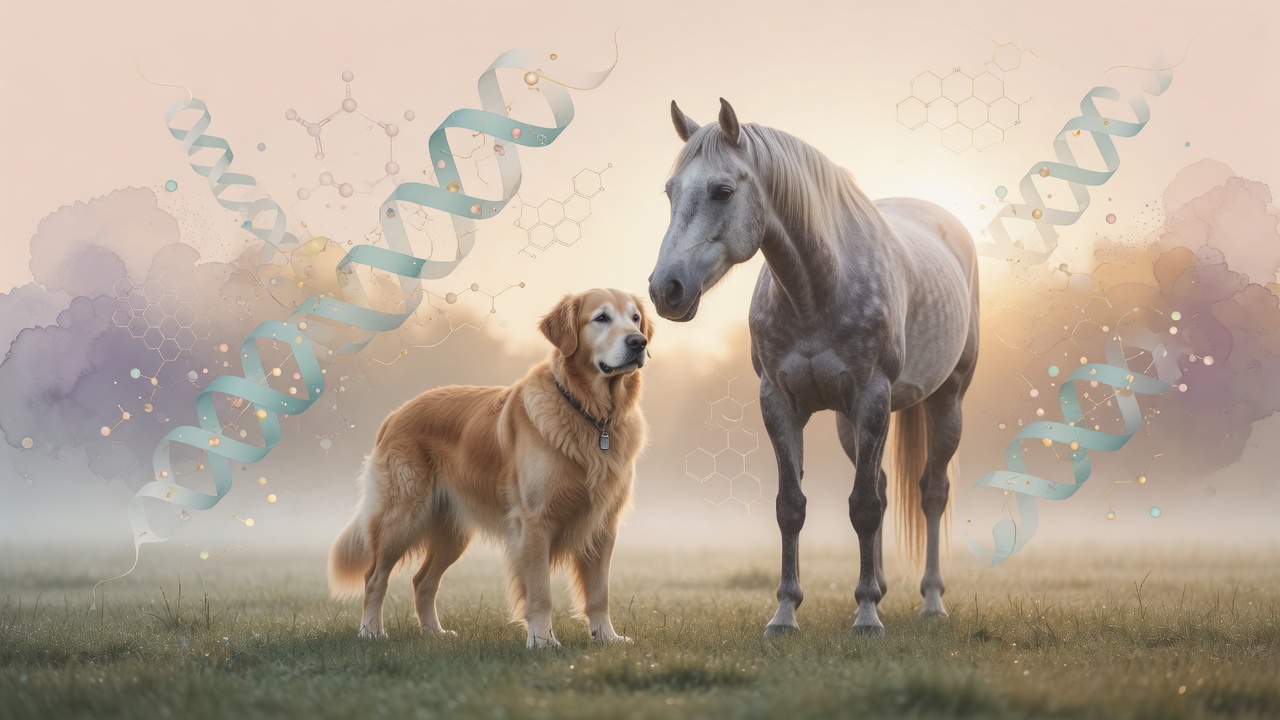
Joints Under Load: Peptide Research for Pets & Horses
Connective-tissue wear drives most peptide interest in animals — the evidence is mostly preclinical, with emerging veterinary case use.
Read →
Healthy Aging: Resilience & Longevity for Companion & Farm Animals
Longevity should mean healthspan — mobility, metabolism, comfort — not hype. Peptides are experimental add-ons, not foundations.
Read →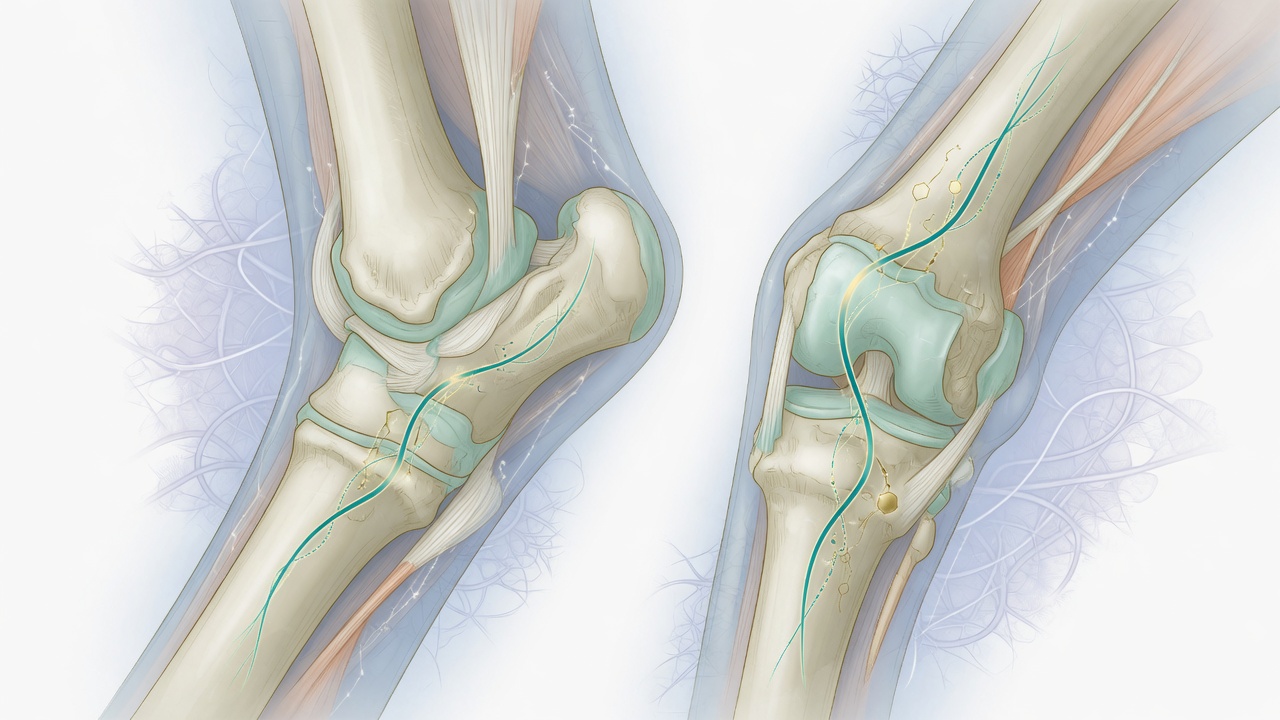
Performance & Recovery: Racehorses, Working Dogs & Farm Athleticism
Recovery biology attracts trainers, but legality and ethics dominate real-world performance use.
Read →OverviewWhy animal models matter in peptide science
Before any peptide is understood, it's characterized in the lab and in animal models — cell cultures, then rodents and other species. These studies are how researchers learn how a peptide folds, how it's metabolized, how stable it is once reconstituted, and how it behaves at different concentrations.
This page is a reference for that research context: handling, reconstitution, and the categories of peptides most often seen in the published animal literature. It is not veterinary guidance and nothing here is a protocol for administering peptides to a pet or any animal — see the disclaimer at the bottom.
CategoriesPeptides commonly studied in animal models
Grouped by the research area they're most associated with in the literature. These are descriptions of what has been studied, not claims of effect.
Tissue repair & regeneration
Peptides investigated in animal wound-healing, tendon, and gut-lining models — a large and active area of the published literature.
Growth factors & signaling
Peptides that act as signaling molecules, widely characterized in rodent studies of growth and metabolism pathways.
Metabolic pathways
Incretin-class and related peptides that have been foundational subjects of animal metabolic research.
Trace-mineral carriers
Copper-binding peptides (e.g., GHK-Cu) studied for their role in repair and remodeling processes in animal models.
HandlingReconstitution & storage — same fundamentals
The reconstitution math and sterile-handling principles are identical whether the research subject is a cell line or an animal model. Use the tools and guides already on this site:
- Work out volumes with the reconstitution & dosing calculator — vial mg, water, and target amount in, units out.
- Review the step-by-step reconstitution walkthrough and the mg · mcg · units explainer.
- Follow the handling & sterility references (bacteriostatic vs. sterile water, storage & shelf life, aseptic technique).
VerificationHow to read a veterinary COA
A certificate of analysis for animal-research material has four lines that matter — most buyers read one and stop. Here they are in the order that counts.
Identity
Usually mass spec. Is this the compound on the label at all? Purity without identity is a percentage of a mystery.
Purity
Usually HPLC. Of the material that’s there, how much is the target versus related impurities. 99% pure of the wrong molecule is still the wrong molecule.
Net content
How much is actually in the vial versus what the label claims. A short vial quietly skews every dose-normalized result you build on it.
Endotoxin
The bacterial-breakdown load sterile filtration is meant to catch. In a live animal model it is its own confound and its own welfare consideration.
A sheet missing any of these isn’t a certificate — it’s a highlight reel. And it only means something when it’s tied to the specific lot number on the vial in your hand, not a reused PDF.
EndotoxinWhy endotoxin is the line you never skip in animal work
In a live animal model, endotoxin isn’t just a quality checkbox — it’s two problems at once.
- An experimental confound. Endotoxin provokes its own biological response, which can contaminate a dose-normalized result — and send you chasing an effect that came from the contamination, not the compound.
- A welfare and ethics consideration. Material going into an animal carries a standard a spreadsheet reused across lots was never going to meet — and one an ethics review will ask about.
It’s typically measured by the LAL assay and reported on the finished material. If endotoxin isn’t on the sheet, treat the sheet as incomplete.
HandlingSpecies notes: companion, equine & livestock
The reconstitution math and sterile technique are identical across species — the documentation scrutiny is not.
Dogs & cats
Small-volume work, where net-content accuracy matters most — a short vial distorts a small dose fastest. Companion-animal studies carry their own review standards.
Horses
Larger volumes and a performance / anti-doping context mean lot traceability and identity get scrutinized heavily. Keep the COA with your records.
Farm animals
Food-chain proximity raises the bar on residue, identity, and documentation — the verification standard is highest here.
Across all three the through-line is the same: verify the lot, keep the certificate, and follow the supplier’s storage guidance. Lyophilized material arrives dry and is stored cold; reconstituted solution has a much shorter shelf life.
Research-grade peptides, third-party tested
Browse research-grade peptides with a Certificate of Analysis on every batch.
Shop Research Peptides here ↗